

Yes. Clinical studies indicate that consistent Pilates practice yields an average 27% increase in core strength, alongside significant gains in flexibility, dynamic balance, and movement awareness—all of which are essential for maximizing athletic power and speed.
ABOUT PILATES
Pilates for Athletes
Pilates for Athletes
From weekend warriors to elite professionals, athletes looking for a competitive edge are discovering that Pilates is far more than a core workout. It is an advanced system of movement education that transforms how power is transmitted through the body.
Whether your goal is to run faster, jump higher, hit a ball farther, or simply extend your athletic career, Pilates provides the foundation for ultimate movement efficiency. By prioritizing whole-body coordination, spinal alignment, and deep, conscious breathing, Pilates helps athletes develop acute spatial awareness (proprioception) and an embodied understanding of how their bodies move, where they compensate, and how to correct deep-seated muscle imbalances.
How Does Pilates Benefit Athletes in Their Training Routines?
Integrating Pilates into an athletic training regimen bridges the gap between raw strength and functional agility. Rather than isolating muscles, Pilates trains the body as an integrated system, yielding measurable improvements in power and structural durability.
1. Dynamic Trunk Integration & Muscle Thickness
True athletic power does not come from isolated muscle groups; it originates in the center of the body and radiates outward. Pilates develops exceptional trunk integration, allowing for an efficient transfer of force from the ground up through the limbs.
- The Data: A 2022 systematic review published in Heliyon (via Consensus) demonstrated that consistent practice leads to an average 27% (±16%) increase in muscle strength alongside significant increases in deep trunk muscle thickness after just 12 weeks.
2. Deep Movement Awareness & Embodiment
While traditional strength training builds muscle volume, Pilates refines neuromuscular control. It forces athletes to tune into their movement awareness, helping them recognize how their dominant and non-dominant sides function differently. By shining a light on these hidden compensations, athletes can rebalance their mechanics before a minor imbalance becomes a major injury.
3. Functional Flexibility & Elasticity
Athletic longevity requires muscles that can both produce force and absorb impact. Pilates focuses on two way movement by working through both eccentric and concentric muscle contractions—strengthening muscles while they are under tension.—which builds long, resilient tissue structure.
- The Data: Research published in the Archives of Physical Medicine and Rehabilitation (via PubMed) confirms that 12 weeks of consistent Pilates training significantly improves hamstring flexibility and upper-body muscular endurance in active adults.
4. Dynamic Balance & Joint Stability
Cutting, pivoting, and leaping require split-second stabilization. Pilates refines the communication between the brain and the musculoskeletal system, training the body to stabilize structures dynamically.
- The Data: A 2025 study in Frontiers in Physiology (via PMC) proved that Pilates training directly enhances both static and dynamic balance, significantly sharpening an athlete’s body awareness during explosive multi-directional movements.
Can Pilates Help Prevent Injuries for Athletes?
In modern sports science, training has shifted from reactive rehabilitation to proactive longevity. Pilates serves as the ultimate tool for movement efficiency, addressing the root mechanical flaws that cause structural wear and tear.
Mitigating Chronic Lower Back Pain (LBP)
A stabilized spine is a protected spine. Pilates targets the deep support systems of the torso—specifically the transverse abdominis and the multifidus—to create a natural protective sleeve around the spine during high-impact, high-torque athletic movements.
- The Data: According to clinical metrics from the Journal of Orthopaedic & Sports Physical Therapy (JOSPT), Pilates is scientifically superior to minimal intervention for chronic lower back pain relief, reducing pain intensity by an average of 18.2% compared to traditional back schools.
Whole-Body Coordination vs. Isolated Activation
Rather than focusing solely on isolated muscle contraction, Pilates emphasizes the complex, integrated relationship between the muscular, fascial, and connective tissue systems. This holistic coordination ensures that when you sprint, swing, or throw, the entire body shares the load evenly, preventing the acute overload that leads to hamstring strains, ACL tears, and rotator cuff wear.
Pilates For Golf
Pilates helps golfers hit the ball farther, straighter, and with greater accuracy. Whether twisting on a high-velocity drive, squatting to read a putt, or leaning over to tee up, golfers constantly subject their bodies to asymmetric, repetitive rotation. Over time, this creates severe unilateral imbalances, particularly for golfers over the age of 50, leading to shorter drives, decreased stamina, and lower back strains.
Because golf mechanics depend entirely on rotation around a stable central axis, Pilates serves as an ideal training partner. It strengthens the pelvic girdle, shoulder girdle, and deep core, optimizing hip rotation and shoulder range of motion.
Golf Performance Takeaways:
- Attain an optimal backswing and fluid follow-through by expanding shoulder and thoracic mobility.
- Generate greater distance and club-head speed through increased hip and torso flexibility.
- Protect the spine by building even, balanced support across both sides of the back.
- Maximize dynamic balance and structural alignment throughout the entire rotational arc.

Pilates For Swimming
For swimmers, proper hydrodynamic alignment is the difference between winning a race and fighting the water. Traditional swim training heavily emphasizes the global, outer musculature, often neglecting the deep inner stabilizing system. This bilateral imbalance can cause subtle misalignments that create drag, add seconds to times, or cause shoulder impingement.
Pilates ensures that the stabilizing muscles of the scapula, shoulders, pelvis, and spine fire correctly. This allows swimmers to lift their arms cleanly up and out of the water without straining the neck or overloading the shoulder joints.
Swim Performance Takeaways:
- Ensures muscles fire in the correct sequence for a fluid, highly efficient stroke pattern.
- Aligns the shoulder girdle and spine, drastically reducing neck strain and shoulder wear.
- Sharpens mind-body control, facilitating a steadier, more sustainable pace.
Pilates For Running
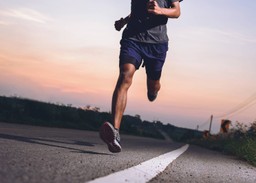
Whether you are a competitive marathoner or a trail runner, the repetitive impact of running can expose structural asymmetries. Poor body mechanics cause certain dominant muscles to overwork, while stabilizing muscles underperform. This uneven loading frequently leads to common running ailments like lower back pain, IT band syndrome, hip bursitis, and runner’s knee.
Pilates promotes a stronger, more resilient spine and core, accelerating recovery times between heavy training sessions. Good running posture is entirely dependent on a stable torso; Pilates reinforces the deep muscles of the pelvis, hips, and shoulders, allowing for maximum lung expansion and a more efficient stride.
Running Performance Takeaways:
- Power uphill with a stabilized, coordinated pelvis and musculature.
- Maintain controlled downhill descents by strengthening and balancing the deep hip rotators.
- Expand the diaphragm completely, maximizing oxygenation, lung capacity, and cardiovascular stamina.
- Reduce overall fatigue and shave seconds off your pace through optimized mechanical efficiency.
Pilates For The Equestrian
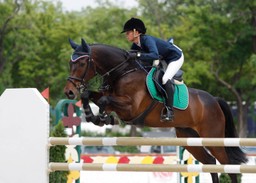
An equestrian’s performance is directly mirrored by their horse. Asymmetries in a rider’s posture—such as rounded shoulders, a collapsed lower back, or tight hamstrings—translate directly into uneven signals to the horse, impeding its movement.
Pilates increases an equestrian’s body awareness, lengthening the spine and stabilizing the pelvis in motion. This allows the rider to independently move their limbs while maintaining a quiet, stable center, ultimately developing a deeper seat and a highly supple lower back.
Equestrian Performance Takeaways:
- Move arms and legs freely to give subtle cues around a completely stable, anchored base.
- Maintain the core strength and upper-body control required to hold proper jumping form.
- Fluidly absorb the horse’s movement, minimizing spinal compression during long rides.
- Maintain a neutral pelvis to effortlessly follow the rhythm and direction of the horse.
Best Pilates Exercises for Athletic Performance
Rather than assigning movements to isolated muscle groups, these classic exercises are selected for how they develop full-body integration, movement awareness, and efficient force transfer.
- For Trunk Integration & Breath Endurance: The Hundred
A foundational exercise that builds deep abdominal endurance, coordinates breath with movement, and teaches the body to maintain a quiet, integrated trunk while the extremities are in motion. - For Pelvic Stability & Hip Alignment: Side-Lying Leg Series
Essential for building balanced hip strength, lateral pelvis stability, and precise lower-limb alignment. It trains the hip joint to move through its full range of motion while the torso remains completely anchored. - For Upper-Body Control & Overhead Stability: Overhead Press Swan, Long Stretch, or Breast Stroke
These exercises develop excellent shoulder integration, thoracic extension, and upper-body control. They teach athletes how to stabilize the shoulder girdle and support overhead movements using the power of the entire back and core, rather than relying solely on the deltoids or neck.
How to Structure a Pilates Program for Athletes
To maximize performance without overloading the central nervous system (CNS), Pilates should adapt to an athlete’s competitive calendar.
| Training Phase | Frequency | Primary Focus |
| Off-Season | 2–3 sessions per week | Building foundational strength, correcting unilateral imbalances, and expanding joint range of motion. |
| In-Season | 1 session per week | Active recovery, nervous system maintenance, posture resetting, and managing cumulative fatigue. |
Professional Athlete Adoption
While league-wide training styles vary, elite individual adoption of Pilates has surged across the NBA, NFL, MLB, and European football. Superstars like LeBron James,Graham Ashcraft, and Cristiano Ronaldo utilize Pilates as a core component of their personal training protocols. Recognizing these benefits, professional team performance staffs across global leagues now regularly embed fundamental Pilates principles into their daily recovery and structural conditioning programs.
Watch Video
Frequently Asked Questions About Pilates for Athletes
Yes. Pilates is widely used as a foundational cross-training and longevity tool by professional athletes in the NBA, MLB, NFL, and elite European soccer leagues to improve structural alignment, core stability, and career longevity.
Movement educators recommend training 2–3 times weekly during the off-season to build foundational strength and movement efficiency. During the competitive season, dropping down to 1 session weekly serves as an excellent tool for active recovery and joint decompression.
Yes. By enhancing neuromuscular control, improving full-body coordination, and correcting muscle imbalances, Pilates significantly reduces the risk of common athletic overuse injuries, such as chronic lower back pain, hamstring strains, and joint misalignments.